A sober living home is a shared residence where people in recovery live together under agreed house rules — most fundamentally, an alcohol- and drug-free environment. These homes sit between intensive treatment and independent living: they provide structure, peer accountability, and routine, without the clinical programming of a rehab facility. They are one option some people consider after treatment.
What a sober living home is — and is not
The concept is simple: a house, occupied by people committed to recovery, run according to rules everyone agrees to follow. Residents typically have private or shared bedrooms, share common spaces and chores, contribute to rent and household costs, and participate in house meetings. The defining feature is the shared commitment to a substance-free living environment, usually supported by regular drug and alcohol testing.
What sober living is not matters just as much. It is not a treatment facility: there are typically no on-site clinicians, no therapy programming, and no medical services. It is not a detox center or a rehab program of any kind. Think of it instead as a recovery-supportive living arrangement — the housing equivalent of a peer-support network, with structure replacing clinical care. Residents are generally expected to be engaged in their own recovery separately, through outpatient care, counseling, peer-support participation, work, or study.
This distinction is important because it clarifies what sober living can and cannot provide. It provides an environment; the recovery work itself happens through the resident's own ongoing efforts and professional support. Understanding where sober living fits in the broader landscape helps: Types of Rehab Programs: Inpatient vs. Outpatient describes the treatment settings that typically come before this step, and Life After Rehab: What to Expect covers the transition phase where sober living often appears.
How sober living homes typically operate
While every home is different, most share a common operating model built around structure and mutual accountability:
House rules. Every home has them, and they are the backbone of the arrangement. Typical rules include complete abstinence from alcohol and drugs, adherence to curfews (especially early in a stay), participation in house meetings, contribution to chores, and respectful shared-space behavior. Rules are usually presented before move-in and agreed to in writing.
Testing. Most homes conduct regular drug and alcohol testing. This is not presented as punishment but as the mechanism that keeps the shared commitment credible — everyone in the house relies on everyone else's sobriety, so verification protects the whole community.
House meetings. Regular meetings — often weekly — where residents discuss household matters, address conflicts, review rule compliance, and support each other. These meetings are also where accountability happens in practice: the community notices and responds when someone is struggling.
Financial contribution. Residents typically pay rent, often weekly or monthly, plus a share of utilities and household costs. Amounts vary widely by location and by the home's amenities. Payment expectations should be clear before move-in, including what happens if a payment is missed.
Length of stay. Unlike treatment programs with fixed durations, sober living stays are often flexible — some residents stay a few months, others a year or more. Many homes encourage residents to stay until they feel ready for independent living, and some set minimum stays to ensure the community remains stable.
House management. Homes are usually overseen by a house manager — often someone further along in their own recovery — who enforces rules, collects payments, coordinates testing, and handles day-to-day issues. The manager's role is operational rather than clinical.
Who considers sober living
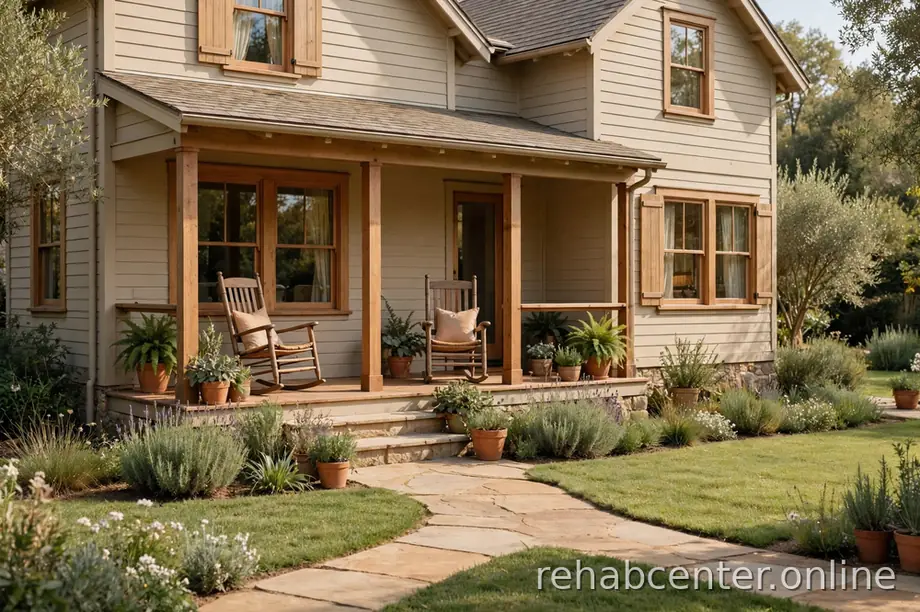
Sober living tends to appeal to people in a specific situation: past the intensive phase of treatment, but not yet confident about returning to their previous living environment. Common scenarios include people whose home environment contains active substance use or other serious risks to recovery, people who lack stable housing after treatment, people who want more structure and peer accountability during early transition, and people relocating to a new area who need a recovery-supportive place to land while they rebuild.
It is equally important to say who it may not suit. People who need ongoing clinical care, medical supervision, or intensive therapeutic programming need treatment settings, not sober living — the home provides environment, not care. People with a stable, supportive home environment may not need it at all. And people who are unwilling to follow communal rules and submit to testing will find the arrangement unworkable, since the rules are the product.
The decision is personal and situational. Discussing it with the professionals involved in your care — who understand your specific circumstances — is the right way to evaluate whether it fits. This article describes the concept; it cannot determine what is right for any individual.
Typical house-rule concepts in more detail
Because house rules are the core of the arrangement, it is worth understanding what they usually cover and why:
- Abstinence. The non-negotiable foundation. Violation typically means immediate consequences, up to and including being asked to leave, because one person's use endangers everyone's recovery environment.
- Curfews and overnight policies. Common especially in early weeks, gradually relaxing as residents demonstrate stability. These exist to reduce unstructured late-night time, which many people find risky.
- Chores and shared responsibilities. Rotating cleaning duties, cooking schedules, and maintenance tasks. Beyond practicality, shared chores build the habits of contribution and accountability.
- Meeting participation. House meetings are usually mandatory, and many homes also expect residents to attend outside recovery-support meetings or activities.
- Guest policies. Rules about visitors — who can come, when, and under what conditions — protect the household's boundaries.
- Employment or productive activity. Many homes expect residents to be working, studying, volunteering, or actively job-seeking. Idleness and recovery rarely mix well, and this expectation reflects that.
- Conflict resolution. Procedures for handling disputes between residents, usually starting with house-meeting discussion and escalating to the house manager.
None of these rules are arbitrary; each addresses a specific risk or need of communal recovery living. When evaluating a home, the question is not whether rules exist — they should — but whether they are clear, reasonable, consistently enforced, and presented transparently before you commit.
Questions to ask before moving in

If you are considering a sober living home, treat the decision with the same diligence you would give any housing choice — plus recovery-specific questions:
- What are the complete house rules, in writing? Can I review them before deciding?
- How is testing conducted, how often, and what happens after a positive result?
- What is the full cost — rent, utilities, fees — and what is the payment schedule?
- Who manages the house, and what is their role in day-to-day operations?
- What is the expected length of stay, and is there a minimum?
- What happens if I need to leave — what notice is required, and are any payments refundable?
- How are conflicts between residents handled?
- What are the expectations around work, meetings, or outside recovery activities?
- Can I speak with current residents about their experience?
Clear, direct answers are a good sign. Evasiveness, pressure to decide immediately, demands for large upfront payments without documentation, or an unwillingness to put terms in writing are all reasons to look elsewhere. A legitimate home is transparent because transparency is what makes the arrangement work.
Sober living and the bigger recovery picture
Sober living works best as one element of a broader recovery plan, not as a standalone solution. The residents who tend to benefit most are those who combine the structured living environment with ongoing professional support, peer connections, and the daily routines that sustain recovery. The home provides the setting; the plan provides the direction.
In particular, the accountability and routine of sober living pair naturally with prevention thinking. Relapse Prevention: Foundational Concepts describes the planning cycle — identifying risks, preparing responses, reviewing outcomes — that gives structure its purpose. A house curfew is just a rule; a house curfew understood as part of your personal prevention plan is a tool.
When the time comes to leave, the transition out deserves the same forethought as the move in. Leaving sober living means losing a built-in layer of structure and accountability, so plan the next step — independent housing, continued routines, maintained connections — before the move-out date arrives. The goal of sober living was never to live there forever; it was to build the stability to live well elsewhere.
Frequently Asked Questions
How is a sober living home different from rehab?
Rehab is a treatment setting with clinical programming — therapy, counseling, and professional staff directing care. A sober living home has no clinical programming; it is a shared residence with house rules, peer accountability, and regular testing, where residents pursue their own recovery through outside resources. Sober living typically comes after treatment, not instead of it. Each serves a different purpose in the broader recovery process.
How long do people usually stay in sober living?
Stays vary widely — some residents stay a few months, others a year or longer. Many homes set a minimum stay to keep the community stable but are otherwise flexible. The right length depends on your circumstances: the stability of your next living situation, your routines, your support network, and your own sense of readiness. Discuss timing with the professionals involved in your care.
What happens if someone breaks the house rules?
Consequences depend on the home and the violation, but they are typically spelled out in the house agreement. For the abstinence rule, consequences are usually the most serious — often including being asked to leave — because one person's substance use compromises the environment everyone depends on. Lesser violations usually follow a progression of warnings and house-meeting discussion. Ask for the full policy in writing before moving in.
Do sober living homes cost money?
Yes — residents typically pay rent plus a share of utilities and household costs, on a weekly or monthly basis. Amounts vary significantly by location and by the home's condition and amenities. Get the complete cost picture in writing before committing, including the payment schedule and what happens if a payment is missed. Be cautious of homes demanding large undocumented upfront payments.
Can I work or go to school while living in a sober living home?
In most cases, yes — and many homes expect it. Employment, study, volunteering, or active job-seeking is a common house expectation, since productive daily activity supports recovery and unstructured idle time does not. House schedules, curfews, and meeting times are designed to accommodate work and school. Confirm the specific expectations with any home you are considering. Balancing these commitments with house routines is part of the arrangement's design.
This site is educational information only — not medical advice. If you or someone you know is in crisis, contact local emergency services or a national crisis helpline. Consult a qualified professional about your own situation.